
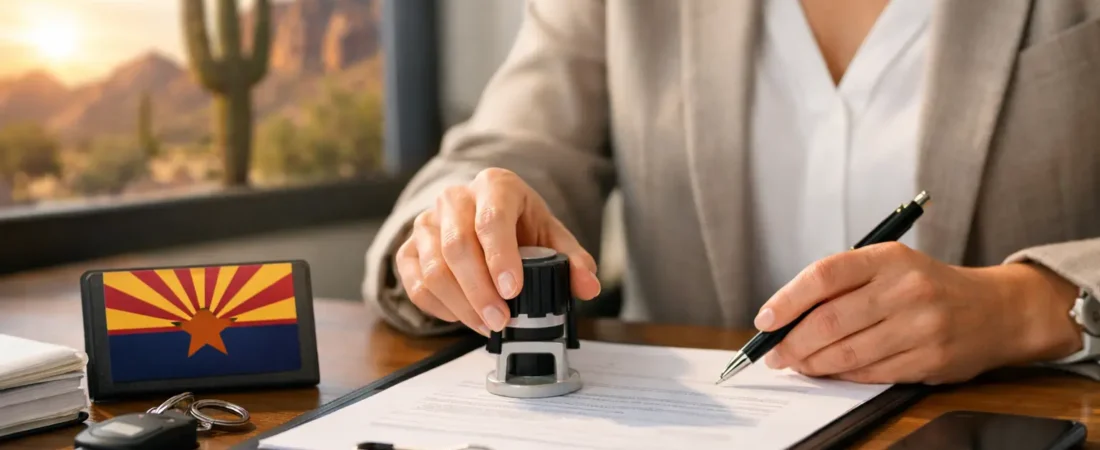
A missed signature, expired ID, or last-minute schedule change can turn a simple document into a frustrating delay. When you need an Arizona notary, the goal is not just to find someone with a stamp. You need a careful professional who can meet at a time and place that works for you, confirm the required steps, and help the appointment feel calm and straightforward.
For many people, that means meeting at home after work, at an office between appointments, in a hospital room, or wherever signing is most practical. Mobile notary service is especially helpful when travel is difficult, paperwork is time-sensitive, or privacy matters.
What an Arizona Notary Does – and Does Not Do
A notary public serves as an impartial witness for certain document signings. The notary verifies the signer’s identity, helps deter fraud, and completes the required notarial certificate. Depending on the document, the notarial act may involve an acknowledgment, a jurat, an oath or affirmation, or another authorized act.
That role protects everyone involved. A properly completed notarization creates a reliable record that the signer appeared before the notary and met the requirements for that specific act. It can be especially meaningful for documents involving property, finances, health care decisions, estate plans, and family matters.
A notary is not an attorney and cannot tell you what legal document you need, explain legal consequences, choose a notarial certificate for you, or advise you how to complete legal paperwork. If you are unsure which certificate is required, ask the document recipient, title company, attorney, lender, or agency requesting the notarization before the appointment.
For Spanish-speaking clients, this distinction matters. In the United States, a notary public is not the same as a notario público in many Latin American countries. A notary can provide professional notarial service in Spanish, but cannot provide legal advice unless separately licensed as an attorney.
Before Your Arizona Notary Appointment
A little preparation prevents the most common signing delays. The person signing should be physically present for the appointment and should have an acceptable, current form of government-issued photo identification available. A driver’s license, state ID, passport, or military ID may be acceptable, depending on the circumstances. If an ID is expired, damaged, or unavailable, contact the notary before the appointment rather than waiting until the signer is ready to sign.
Review the document before the notary arrives. Make sure you have the complete document, including all pages and any attachments that are meant to be part of the record. Do not sign ahead of time if the document calls for a jurat, oath, affirmation, or requires the signature to be made in the notary’s presence. For an acknowledgment, a signature may already be on the document, but the signer still needs to personally appear and acknowledge signing it willingly.
It also helps to confirm whether witnesses are needed. Some documents require one or more witnesses in addition to notarization. A notary may be able to serve as a witness in certain situations, but that depends on the document and the parties involved. The safest approach is to ask the receiving party in advance and arrange qualified witnesses before the appointment.
Most importantly, the signer must be willing and aware of what they are signing. A notary cannot proceed if there are concerns about coercion, confusion, or a signer’s awareness. This is not an inconvenience. It is an important safeguard, particularly when families are handling estate-planning documents, powers of attorney, medical directives, or documents for an older loved one.
When Mobile Notary Service Makes Sense
A traditional office appointment works well when your schedule is flexible and travel is easy. Mobile service is often the better fit when getting to an office creates more stress than the signing itself.
Busy professionals may need an appointment at a workplace before the day begins, during a short break, or in the evening. Families may prefer signing at home after children are settled. Real estate clients may need documents handled on a tight closing timeline. Homebound clients, older adults, and people recovering from illness may need the comfort and accessibility of an appointment where they already are.
Mobile appointments also offer a more private setting for sensitive paperwork. Rather than discussing personal financial, health care, or family documents in a crowded public location, you can arrange a quiet space where the signer has time to review the documents and ask process-related questions.
Convenience should not mean rushing. A dependable mobile notary confirms the appointment details, arrives prepared, checks identification carefully, and gives the signer room to complete the process correctly. Same-day and short-notice availability can be valuable, but an appointment should still allow enough time to review the paperwork and gather every required signer or witness.
Documents That Commonly Need Notarization
Not every official-looking document needs a notary, and requirements vary by organization. However, notarization is frequently requested for estate-planning documents, powers of attorney, advance health care directives, vehicle-related forms, affidavits, real estate paperwork, business documents, parental consent forms, and certain financial records.
The organization receiving the document usually determines whether notarization is required and what certificate wording is needed. If your paperwork came from a bank, government office, employer, school, title company, attorney, or overseas authority, look for specific signing instructions. Bring those instructions to the appointment.
If the document will be used outside the United States, notarization may be only one part of the process. It may also need an apostille or another form of authentication. An apostille helps verify the authority of the notary or public official for use in countries that accept this form of authentication. Because international requirements can differ by destination and document type, it is wise to confirm the receiving country’s instructions before submitting paperwork.
Questions to Ask Before Booking
The right details make scheduling easier for both the signer and the notary. When requesting an appointment, explain the type of document, the number of signers, the preferred location, and your deadline. Mention any witness requirements, special access instructions, language preferences, or mobility considerations.
You should also ask about availability, travel fees, and what forms of identification to bring. Mobile notaries may charge a travel fee in addition to the permitted notarial fee, particularly for evening, weekend, urgent, or longer-distance appointments. Clear pricing upfront helps you plan without surprises.
If a signer is in a hospital, assisted-living community, rehabilitation center, or other care setting, check the facility’s visitor policies first. Choose a time when the signer is rested and able to focus. If medication, fatigue, or a medical condition could affect the signer’s awareness, it may be best to discuss timing with the care team and ensure the signer is comfortable before scheduling.
A Better Experience for Important Paperwork
Notarization is often connected to a larger life moment: buying a home, caring for a parent, starting a business, preparing for travel, or putting personal affairs in order. The process should feel organized and respectful, not intimidating.
VMS Mobile Notary LLC provides appointment-based mobile notary and apostille support with flexible scheduling, careful document handling, and Spanish-language service for clients who prefer clear communication in Spanish. The focus is simple: meet you where you are, treat your time with respect, and handle each appointment with the attention sensitive documents deserve.
Before you sign, take a moment to gather your ID, confirm the document instructions, and make sure every signer and witness is available. That small bit of preparation gives your appointment the best chance of being completed accurately, comfortably, and right on time.